Summer 2026 on Elbrus: Four Teams, Four Summits
And that’s a wrap on our 2026 Mt. Elbrus season in Russia.
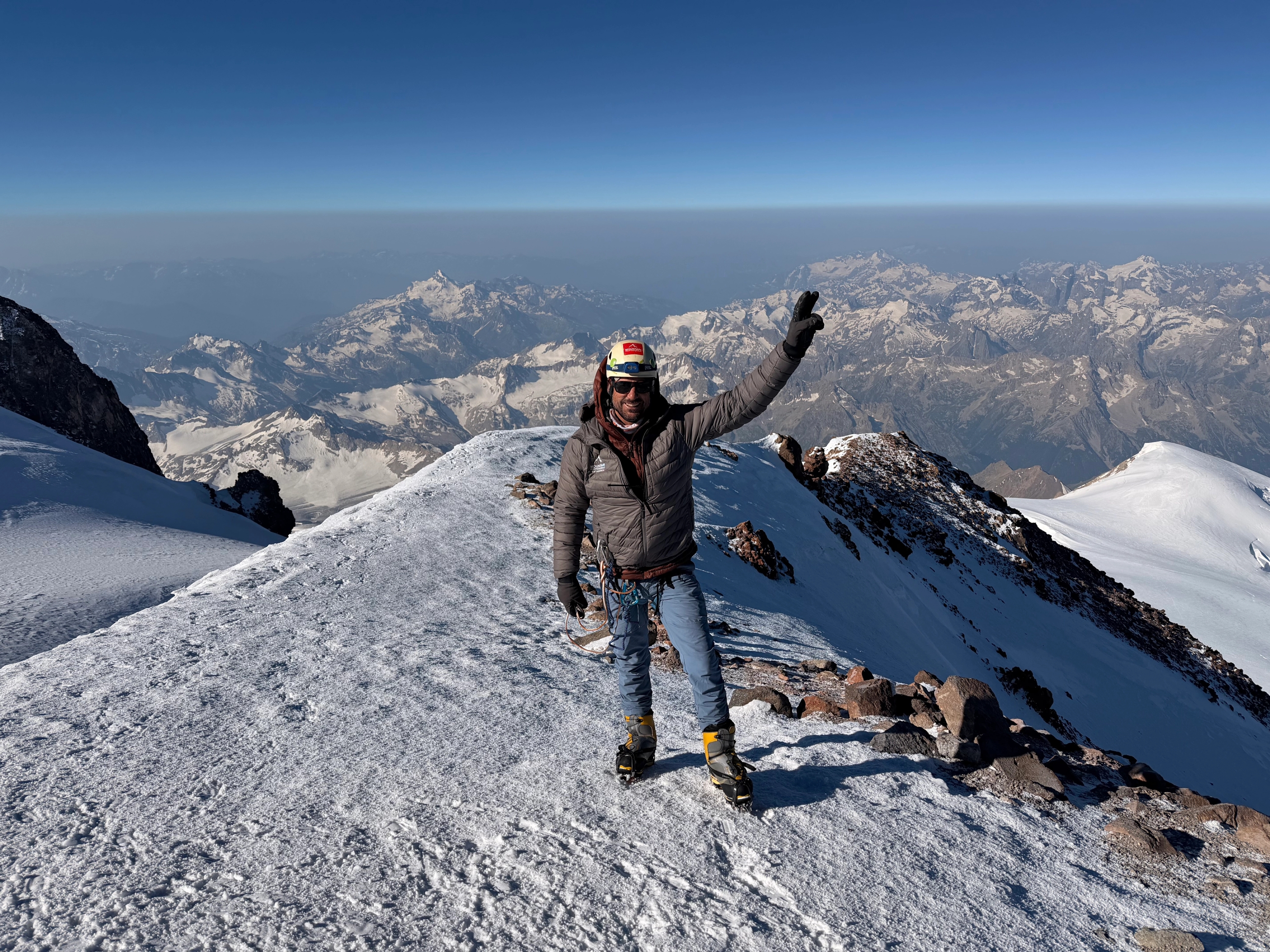
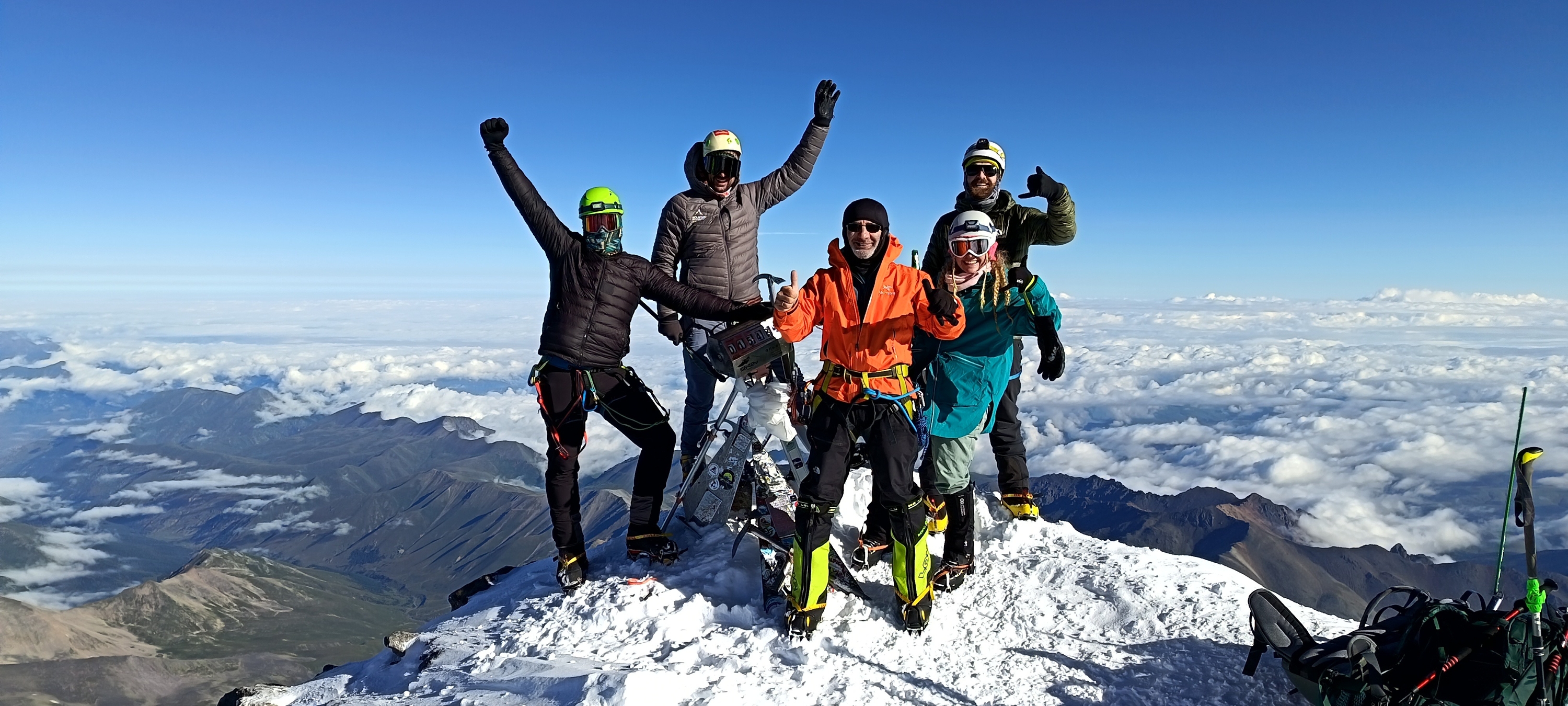
This summer, Mountain Professionals led four expeditions on Mt. Elbrus, Europe’s highest peak at 5,642 m (18,510 ft). From June through August, climbers from Poland, the United States, Canada, Ireland, and Australia joined us for the climb - and all four teams reached the summit.
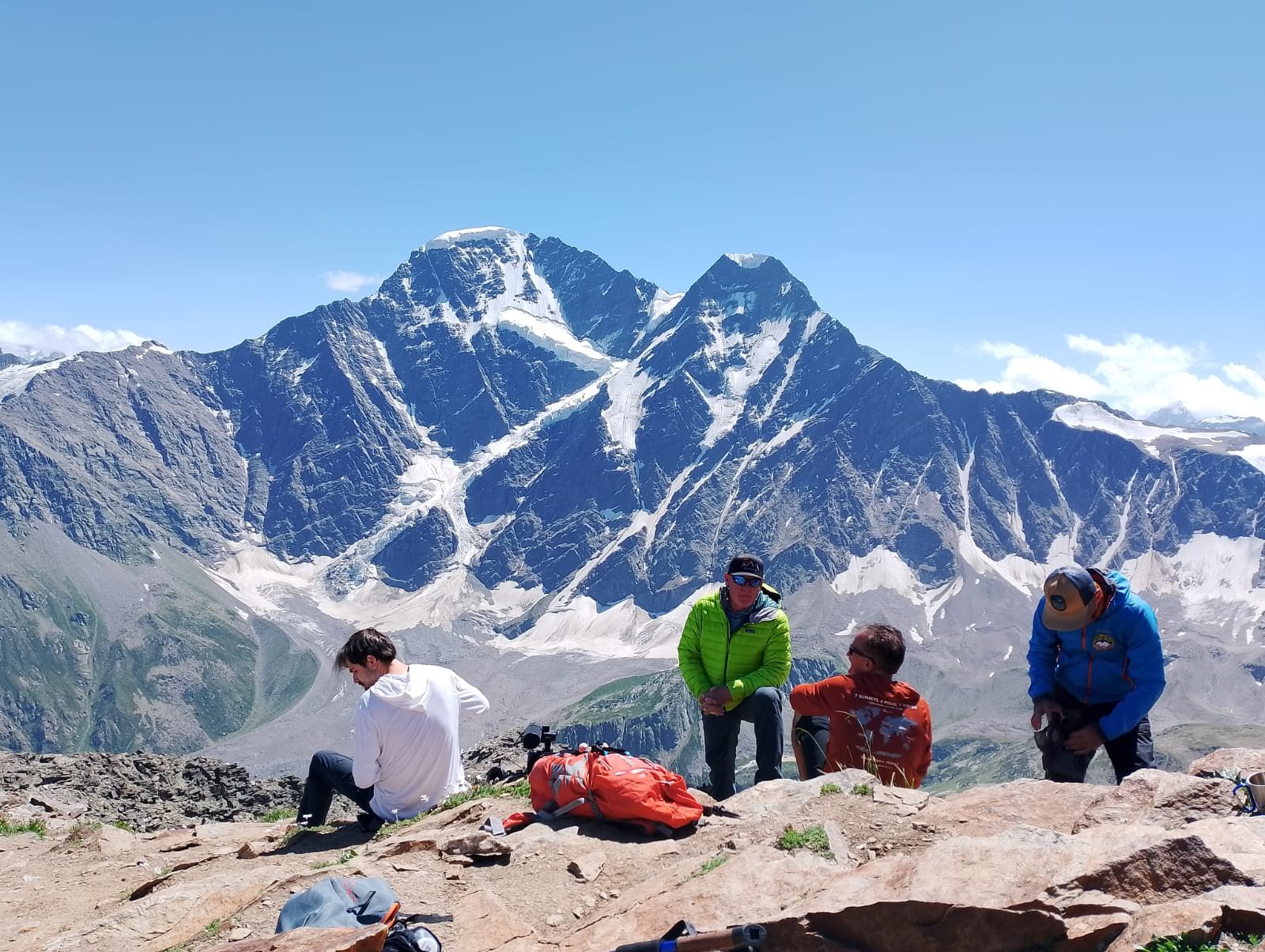
For most of our international guests, the journey begins in Mineralnye Vody, usually after traveling through Dubai. It is the meeting point for the expedition: a place to settle into the hotel, meet fellow climbers and guides, check equipment, sort out any last-minute details, and prepare for the days ahead. From there, the team travels into the Elbrus region to begin acclimatization and the climb toward the Roof of Europe.
Three of the four Mt. Elbrus expeditions this season were led by Mountain Professionals owner Ryan Waters. Our first Elbrus expedition of the summer took place in June and was led by Mountain Professionals guide Joe Biebel.
A big thank-you also goes to our guide Bryan Hill for his guiding work throughout the season, as well as to our outstanding in-country team, Gia Ksnelashvili and Ismail. Their support, local knowledge, and hard work behind the scenes are an essential part of every successful expedition.
It was great to return to Russia, spend time again in the Elbrus region, and be welcomed by the people who make this destination so special. Congratulations to every climber who joined us this summer - getting to 5,642 m takes preparation, patience, and a strong effort from the whole team.
For climbers working toward the Seven Summits, Mt. Elbrus is often a natural second or third peak after Kilimanjaro. It is not the highest mountain in the challenge, and it is not usually considered the most technical, but it is an important step up from a straightforward high-altitude trek.
Elbrus introduces climbers to genuine alpine conditions: glacier travel, crampon use, an ice axe, rope-team systems where needed, cold temperatures, high winds, and a long summit day at altitude. Good physical conditioning matters, but so does being comfortable moving efficiently in mountaineering boots and using basic glacier equipment.